Is Invisalign Better Than Metal Braces? 7 Key Differences

Whether Invisalign is better than metal braces depends on your bite, your routine and what matters most to you day to day.
Braces technology has improved, and so have clear aligners. Here are seven practical differences between Invisalign® and metal braces, so you can decide what suits you.
1. Appearance
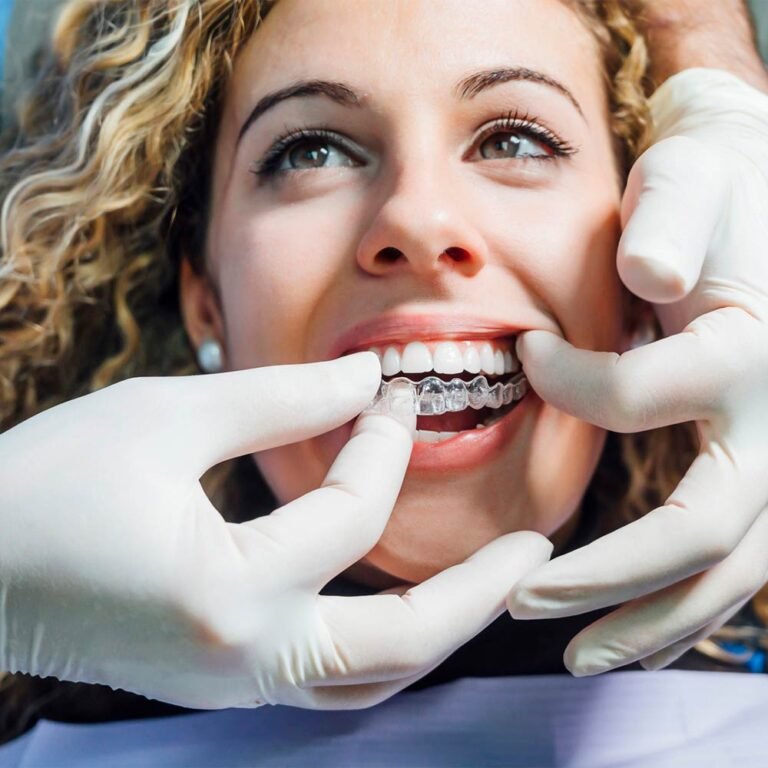
Aligners are clear and hard to notice. Braces are visible, though tooth-colored brackets help.
2. Food
Aligners come out for meals. With braces, hard and sticky foods can break brackets.
3. Hygiene
With aligners you brush and floss normally; braces need extra tools to clean around wires. With either, brush before putting aligners back in.
4. Comfort
Both cause some pressure. Aligners have no wires to poke the cheeks. Read when Invisalign discomfort peaks.
5. Visits
Aligner checkups are usually shorter and there are fewer emergency visits for broken parts.
6. Planning
With Invisalign you see the planned movement on screen before treatment begins.
7. Your part
Braces work all the time. Aligners work only while worn — 20–22 hours a day. Afterwards, both need a retainer.
More: Invisalign vs braces: an honest comparison · will Invisalign work for me?
When Invisalign is better than metal braces
Aligners tend to suit adults and teens who want a discreet option, who play sports or instruments, or who don’t want to give up foods like apples, popcorn or bagels for a year or more. Because you brush and floss normally, keeping gums healthy during treatment is usually easier than with metal braces.
When metal braces may be the better fit
- You know you won’t keep aligners in for 20–22 hours a day.
- Your case needs movements that metal braces control more predictably.
- Your bite problem is severe enough to need a specialist.
The American Association of Orthodontists notes that braces can treat most orthodontic problems, while aligners depend more on the case and on consistent wear. That’s the trade-off in one sentence.
Is Invisalign as fast as metal braces?
For many cases, treatment time is similar. It depends mostly on how far the teeth need to move and how closely the plan is followed. Your consultation gives you an estimate for your own teeth.
Cost of Invisalign vs metal braces
Prices overlap more than people expect. Our all-inclusive Invisalign case includes every aligner, all visits, one set of retainers and a whitening kit, and financing is available. Fees for metal braces vary by provider and case, so compare what each price includes.
Sports and music
With metal braces, athletes usually wear a mouthguard over the brackets. With aligners, you take them out for contact sports, wear a mouthguard, then put them back in. Many people who play wind instruments find aligners easier because there are no brackets against the lips.
Which is easier to keep clean?
With metal braces, food catches around brackets and wires, so floss threaders or a water flosser help. With aligners, you take them out, brush and floss normally, and rinse or brush the aligners before putting them back. Either way, regular cleanings during treatment help protect your gums.
Make the decision with real information
At a free consultation we look at your bite, take a digital scan and show you the planned movement. If metal braces would give you a better result, we’ll say so, and you’ll have the price in writing before you decide.
Whichever you choose, the habits are similar: keep up with cleanings, follow the plan and wear a retainer afterward. The appliance moves the teeth, but those habits protect the result for years.
At All Dental Group, an Invisalign® case is $4,695 all-inclusive — consultation, X-rays, photos, digital scan, every aligner (including any extra ones), all visits, one set of retainers and a take-home whitening kit — or $3,999 paid in full. See payment options or book a free Invisalign consultation.