
The Impact of Changing Invisalign Trays Too Soon
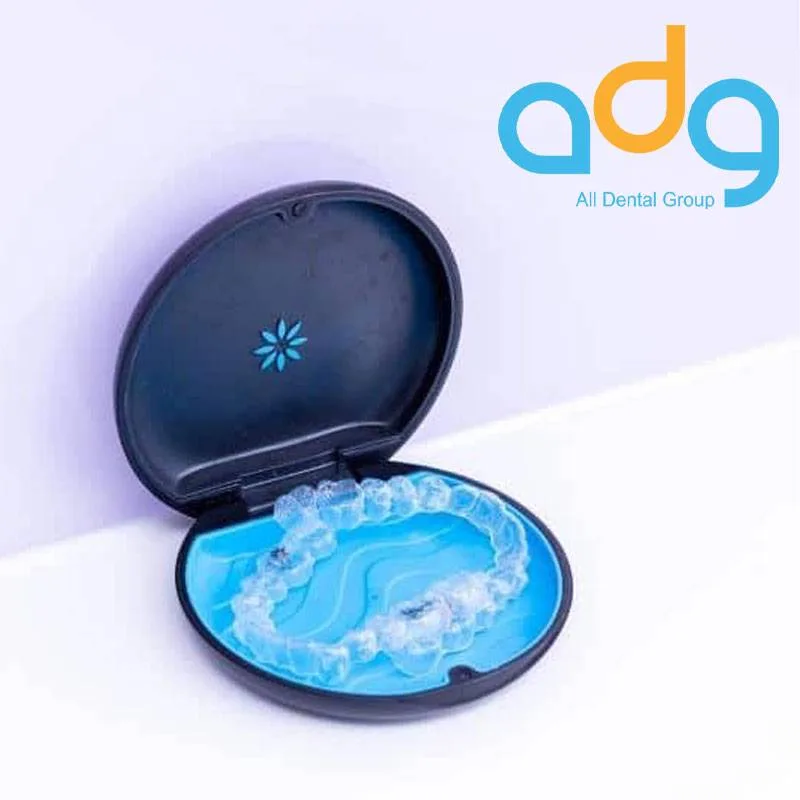
Changing Invisalign trays too soon is a shortcut many patients are tempted to try, usually because they want to finish faster.
Short answer: if you move to the next aligner before your teeth have caught up with the current one, the new aligner may not seat fully, your teeth can drift off plan, and you may need extra aligners — which adds time instead of saving it.
Why the schedule exists
Every Invisalign® plan moves teeth in small, planned steps. Each aligner is designed to be worn for a set number of days (commonly one to two weeks), long enough for the teeth and the bone around them to adjust. Your dentist sets that interval for your case.
What can happen if you switch too soon
- The new aligner doesn’t snap all the way on and leaves small gaps between plastic and teeth.
- Teeth stop “tracking” — they no longer match the plan.
- More soreness, because the aligner is asking teeth to move further than they are ready to.
- Extra refinement aligners and visits to get back on track.
Signs an aligner isn’t fitting
Look for a visible gap at the tip of a tooth, an aligner that pops off when you talk, or a set that feels loose after a few days. If you notice any of these, keep wearing your current aligner and call us before moving on.
Can treatment be sped up safely?
Sometimes the interval between aligners can be shortened, but only when your dentist checks your progress and decides it’s appropriate. The biggest thing you control is wear time: 20–22 hours a day. Read what to know before getting Invisalign and when discomfort peaks for more.
4 safe rules before you switch to the next aligner
- Follow the interval your dentist set. Don’t change it on your own, even if the current aligner feels loose.
- Check the fit first. The current aligner should sit fully on every tooth, with no gaps at the edges.
- Count hours, not just days. If you missed wear time, add days to the current aligner before you switch aligners.
- Keep your previous aligner. If a new tray won’t seat, the previous one is your back-up until you talk with us.
Why changing Invisalign trays too soon backfires
Teeth move through bone a little at a time. Bone on one side of the root breaks down while new bone forms on the other, and that takes days. Each aligner is designed to move a tooth only a small step. When you switch aligners before the tooth has finished that step, the plastic and the tooth no longer match, so the aligner pushes in the wrong places or not at all.
The result is often the opposite of what you wanted: extra refinement trays, more visits and a later finish date. The American Association of Orthodontists also stresses wearing aligners consistently and in the correct sequence.
What to do if you already changed trays too soon
- Put the previous aligner back in if it still fits, and wear it until the next aligner seats fully.
- If neither fits well, wear the one that fits best and call us.
- Don’t jump ahead again to make up time.
A quick visit shows whether your teeth are still tracking. If needed, we order new aligners to get you back on plan. Thinking about switching aligners early because of a trip? Ask us first. For the opposite problem, read what happens if you leave Invisalign out for a day.
How to tell an aligner is ready to change
Before switch day, look closely in the mirror. The aligner should hug each tooth with no space at the tips, and the pressure should have faded to a light, snug feeling. If you still see gaps or feel strong pressure on switch day, call us before moving on; we may ask you to wear it a few more days.
At All Dental Group, an Invisalign® case is $4,695 all-inclusive — consultation, X-rays, photos, digital scan, every aligner (including any extra ones), all visits, one set of retainers and a take-home whitening kit — or $3,999 paid in full. See payment options or book a free Invisalign consultation.