Can Invisalign Help with Teeth Grinding?

Teeth grinding and Invisalign often come up together, because many people only learn they grind when a dentist spots the wear.
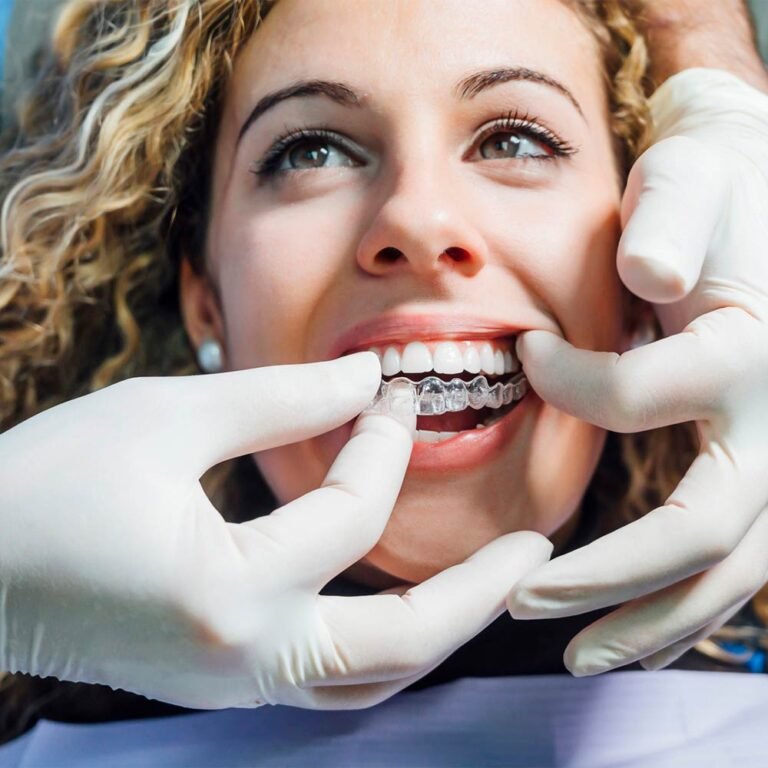
Short answer: Invisalign® is not a treatment for teeth grinding (bruxism) by itself. During treatment the aligners act as a thin barrier that can protect teeth from wear, and correcting a bad bite may help some people. But grinding is often linked to stress and sleep, so many patients still need a night guard once treatment ends.
Signs you may be grinding
- Waking with a sore jaw, tight face muscles or a headache
- Flattened, chipped or worn edges on your teeth
- Teeth that feel sensitive without an obvious cavity
- A partner hearing grinding at night
How aligners can help
While you wear them, aligners cover the biting surfaces, so grinding wears the plastic instead of enamel. If crowded or crooked teeth are part of an uneven bite, straightening them with Invisalign® can improve how the teeth meet. That can make it easier to protect the teeth afterwards.
What aligners don’t do
Straight teeth don’t automatically stop grinding. Heavy grinders can wear through aligners quickly, so tell us if you grind — we may plan for it. After treatment, a custom night guard or a nightly retainer protects your teeth and your results.
Get checked
Our Miami Lakes dentists check for wear, cracked teeth and gum recession at every exam and cleaning. If grinding has already damaged a tooth, we’ll talk through repair options before you start straightening. Related reading: can Invisalign cause headaches?
What causes teeth grinding?
Grinding and clenching have many triggers. Cleveland Clinic lists stress, anxiety, sleep disorders, some medications, smoking and heavy caffeine use among the common factors. Bite problems can play a part for some people, but they’re usually not the whole story.
Can you wear Invisalign if you grind your teeth?
Usually, yes. Grinding isn’t a reason to skip treatment, but we plan for it. Heavy grinders may wear holes in aligners or loosen attachments, so we check the aligners closely at each visit. Tell us if yours show worn spots or cracks.
Retainer or night guard after Invisalign?
When aligner treatment ends, a clear retainer worn at night offers some protection, but it isn’t designed to take heavy grinding forces. If you grind hard, we may recommend a custom night guard that protects the teeth and helps keep them in place. We’ll help you decide which is right for you.
Signs of damage from teeth grinding
- Chipped or cracked teeth
- Worn, flat or shiny spots on the biting edges
- Loose or broken fillings
How we protect your teeth during treatment
At each checkup we look for new wear on aligners and teeth, check attachments, and ask about jaw soreness or morning headaches. If you clench during the day, we’ll show you how to keep your jaw relaxed: lips together, teeth apart. Mention any changes at your next exam and cleaning.
Questions about Invisalign and teeth grinding
Will aligners stop my grinding? No. They can protect enamel while you wear them, but they don’t treat the cause.
Can I wear a night guard during Invisalign? During treatment, your aligners usually cover your teeth at night. Don’t wear a separate guard over or instead of your aligners unless we tell you to.
What about children who grind? Grinding is common in kids and often outgrown, but mention it at their checkups so we can watch for wear.
Grinding often happens during sleep, so many people don’t know they do it. If you wake with a sore jaw or someone hears grinding at night, tell us at your consultation so we can plan for it from the start.
At All Dental Group, an Invisalign® case is $4,695 all-inclusive — consultation, X-rays, photos, digital scan, every aligner (including any extra ones), all visits, one set of retainers and a take-home whitening kit — or $3,999 paid in full. See payment options or book a free Invisalign consultation.