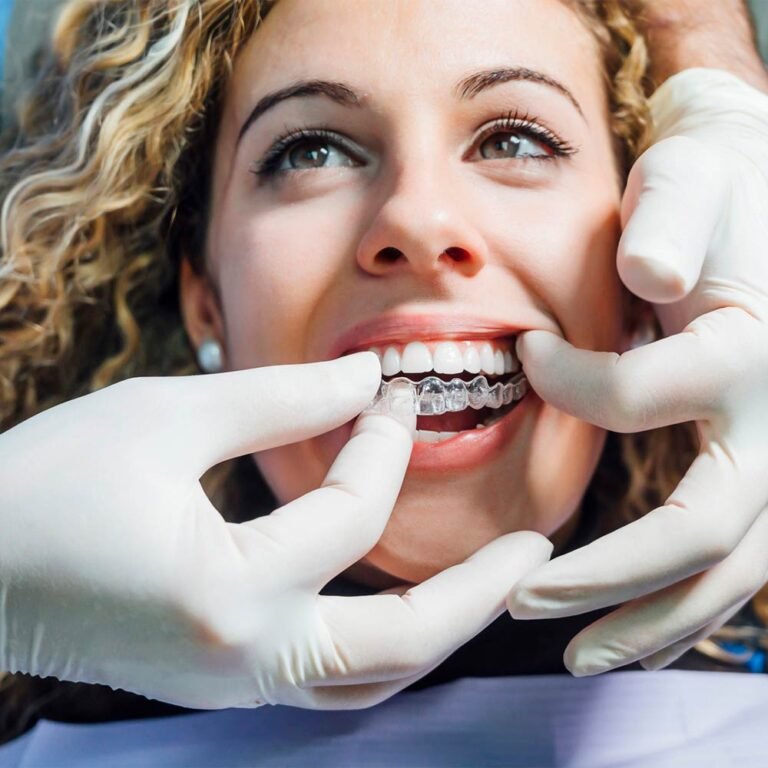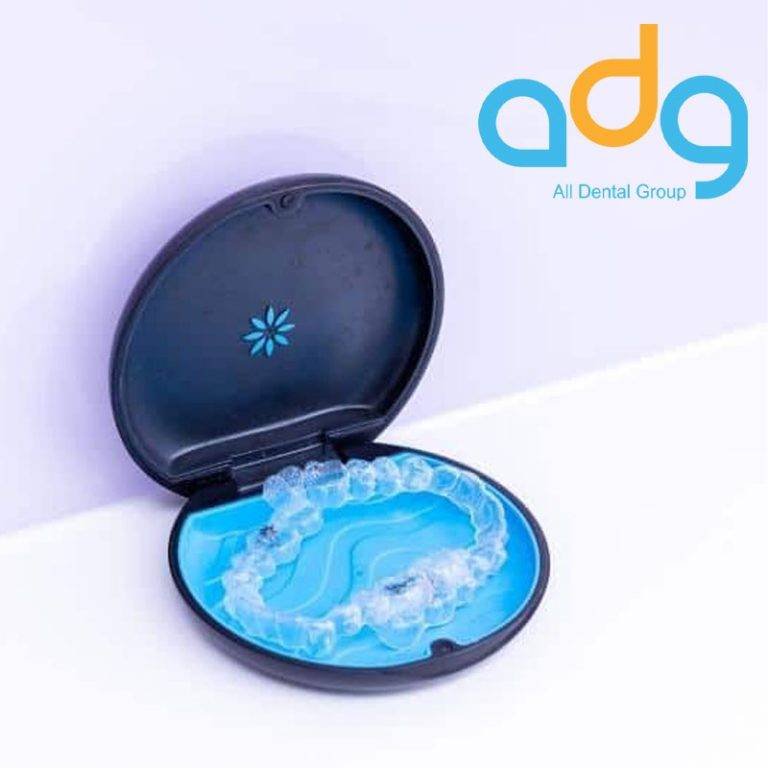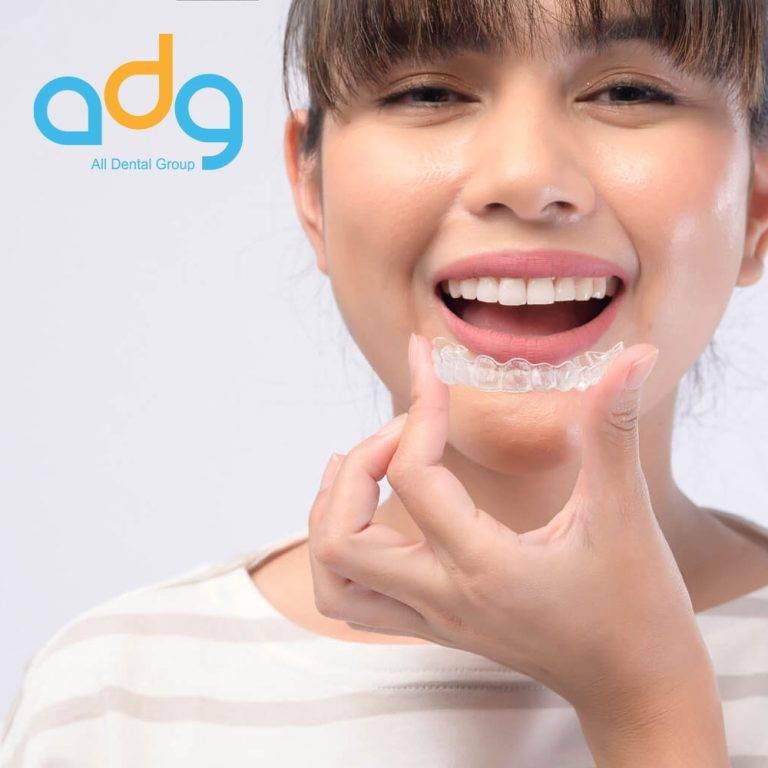
Can I get Invisalign on top teeth only?

Can I get Invisalign on top teeth only? It’s a fair question, since the upper front teeth are the ones that show most when you smile.
Short answer: sometimes. Treating just the upper teeth (single-arch treatment) can work when the problem is mostly cosmetic and your bite is healthy. But upper and lower teeth fit together, so moving one arch often affects the other.
When upper-only can work
- Mild crowding or small gaps in the upper front teeth
- Minor relapse after previous braces
- A bite that already fits well and won’t change
When both arches are usually needed
- Overbite, underbite or crossbite
- Crowding in both arches
- When straightening the top teeth would make them hit the lower teeth
How we decide
At your consultation we take X-rays, photos and a digital scan and check how your teeth meet. If single-arch treatment can give a stable result, we’ll tell you. If it would leave a bite problem, we’ll explain why both arches are the better plan.
Cost
Price depends on the plan. Our all-inclusive Invisalign® case is $4,695 ($3,999 paid in full), and we offer financing and in-office payment plans. Ask at your free consultation whether a smaller case fits you.
Related: will Invisalign work for me? · how attachments work
Can I get Invisalign on top teeth only if my bottom teeth are crooked?
You can, but think about why the bottom teeth matter. Lower crowding can push the upper front teeth forward or make them wear unevenly. If the bottom teeth are part of the problem, straightening only the upper teeth may limit how far they can move, and the lower crowding can get worse over time.
Does single-arch treatment take less time?
Not necessarily. Treatment time depends on how far the teeth need to move. A mild upper-only case can be short, but so can a mild case that treats both arches. Your plan shows the number of aligners before you start.
Retainers after treating top teeth only
Even if only the upper teeth move, they need a retainer to stay in place. Many patients also choose a lower retainer, since lower front teeth tend to shift with age. Read do you have to wear a retainer forever after Invisalign?
Questions to ask at your consultation
- Will treating my top teeth only change how my teeth bite together?
- Would treating both arches give a more stable result?
- What does each option cost, and what’s included?
The American Association of Orthodontists’ comparison of braces and clear aligners covers the basics. For your own teeth, a scan and a bite check are the only way to know — book a free consultation.
When both arches give a better result
Your lower teeth support how the upper teeth sit, and both show when you laugh or talk. Treating both arches lets us line up the center of your smile, balance the bite and avoid new contact points that can chip or wear teeth.
How the bite check works
We look at how your back teeth fit together, how much your upper teeth overlap the lower ones, and whether your front teeth touch when you bite. The digital scan lets us preview the planned movement and check whether moving the upper teeth would create new contact points.
Can I do the bottom teeth later? Sometimes, but it can mean two separate treatments. If both arches need work, treating them together is usually more efficient.
Will my lower teeth move on their own? No. Without an aligner, the lower teeth stay where they are, so any lower crowding remains.
Single-arch cost and value
A smaller case may cost less, but value depends on the result you want and how stable it will be. We’ll show you both options side by side, with the planned movement and price for each, so you can compare before deciding.